

Moving to Cincinnati: A Full Guide for Future Homeowners
November 24, 2026 | Customer Resources | Blog
Share This:

Thinking about making Cincinnati, Ohio, your new home? Between its historic neighborhoods, professional sports teams, growing job market, and relatively affordable housing, the Queen City has plenty to offer. Whether you’re relocating for work, moving closer to family, or simply looking for a change of scenery, Cincinnati offers a mix of big-city amenities and welcoming residential communities.
Of course, moving to Cincinnati involves more than finding a new place to live. You’ll also want to understand the local cost of living, compare neighborhoods, prepare for seasonal weather, and organize the details of your move.
This Cincinnati moving guide covers everything from housing costs and popular suburbs to transportation, local attractions, and practical moving-day advice. Here’s what you should know before calling Cincinnati home.
Cincinnati, Ohio at a Glance
Located along the Ohio River in southwestern Ohio, Cincinnati is one of the Midwest’s major metropolitan centers. The city is known for its distinctive architecture, established neighborhoods, business community, and connections to Northern Kentucky and southeastern Indiana.
According to the U.S. Census Bureau, Cincinnati had an estimated population of 314,367 in July 2025. The surrounding metropolitan area is considerably larger, offering everything from downtown apartments to suburban homes and more rural properties.
Here are a few things to know about the Queen City:
- Location: Southwestern Ohio, along the Ohio River
- Nickname: The Queen City
- City neighborhoods: 52 officially recognized neighborhoods
- Major highways: I-71, I-75, and I-275
- Major airport: Cincinnati/Northern Kentucky International Airport (CVG)
- Climate: Four distinct seasons with warm, humid summers and cold winters
- Professional sports: Cincinnati Bengals, Cincinnati Reds, and FC Cincinnati
One important distinction for newcomers is that Greater Cincinnati extends beyond the city limits. Communities such as Mason, West Chester, Loveland, and Montgomery are separate municipalities or townships, while Covington and Newport are located across the river in Kentucky.
Understanding these differences can help you narrow your housing search and determine which area best fits your lifestyle.

Is Cincinnati, Ohio a Good Place to Live?
Cincinnati offers a combination of affordability, employment opportunities, entertainment, and neighborhood variety. However, like any metropolitan area, Cincinnati has advantages and disadvantages worth considering before relocating.
Benefits of Living in Cincinnati
One of Cincinnati’s biggest attractions is the variety of housing options available. Residents can choose from downtown apartments, historic homes, established residential neighborhoods, and spacious properties throughout the suburbs.
Other benefits include:
- Housing prices that are generally lower than those in many larger metropolitan markets
- Major employers in healthcare, finance, manufacturing, and consumer goods
- Professional sports, museums, restaurants, and entertainment venues
- Public parks, walking trails, and recreational opportunities
- A convenient Midwest location for regional travel
- Neighborhoods with different architectural styles, amenities, and lifestyles
Things to Consider Before Moving to Cincinnati
Cincinnati’s geography and climate can take some getting used to. Summers can be hot and humid, while winter brings freezing temperatures and occasional snow or ice.
Traffic is another consideration, particularly along I-71 and I-75 during morning and evening commutes. Although certain neighborhoods are walkable, many residents depend on personal vehicles for transportation.
Cincinnati also has numerous hills, older streets, and historic properties. These characteristics give the city personality, but they can complicate everything from daily driving to moving into a new home.

Best Neighborhoods and Suburbs to Consider When Moving to Cincinnati
Popular Neighborhoods Within Cincinnati
Choosing the right neighborhood is one of the most important decisions you’ll make when moving to Cincinnati. Some areas offer walkable streets and lively entertainment districts, while others provide larger properties and quieter residential surroundings.
Over-the-Rhine
Known for its historic architecture, restaurants, breweries, and entertainment, Over-the-Rhine is a popular destination for people interested in urban living. Many properties feature older construction, which can mean narrow staircases and limited moving-truck access.
Downtown Cincinnati
Downtown offers apartments and condominiums near major employers, restaurants, sports venues, and the riverfront. Residents can enjoy a more walkable lifestyle, although parking availability and housing costs vary by building.
Hyde Park
Hyde Park features tree-lined streets, established homes, apartments, and local shopping around Hyde Park Square. Its residential character and neighborhood amenities make it an appealing option for people seeking a balance of city access and quieter surroundings.
Oakley
Oakley combines residential streets with restaurants, shopping centers, and entertainment destinations. Its housing options range from older homes to newer apartments, making it worth exploring for residents with different budgets.
Clifton
Located near the University of Cincinnati, Clifton is known for its historic properties, cultural attractions, and university community. Housing options include apartments, multi-unit buildings, and single-family homes.
Mount Adams
Mount Adams offers hillside views, restaurants, and convenient access to downtown attractions. Its steep streets and older properties are distinctive, but anyone moving here should pay close attention to parking, driveway access, and building layouts.
Popular Cincinnati Suburbs
If you prefer suburban living, the surrounding region offers several communities worth researching.
Mason, Ohio
Located northeast of Cincinnati, Mason offers residential neighborhoods, parks, and access to major employment centers. The area is also home to Kings Island amusement park. Families and professionals relocating to Warren County can explore local moving services in Mason, Ohio.
West Chester Township, Ohio
West Chester sits along I-75 between Cincinnati and Dayton. The township features residential communities, retail destinations, business parks, and convenient highway access.
Loveland, Ohio
Known for its historic downtown and proximity to the Little Miami Scenic Trail, Loveland appeals to people who enjoy outdoor recreation, neighborhood shops, and a more relaxed setting.
Montgomery, Ohio
Montgomery offers established residential neighborhoods, local restaurants, and access to I-71. Its location makes it convenient for people commuting to nearby employment centers. Planes also provides professional moving services in Montgomery, Ohio.
Blue Ash, Ohio
Blue Ash is a suburban community with office parks, restaurants, recreational facilities, and residential neighborhoods. Its central location provides access to several major Cincinnati highways.
Indian Hill, Ohio
Indian Hill is known for larger residential properties, wooded surroundings, and a less densely developed setting. Residents considering this area should account for longer driveways and property-specific moving access.

Transportation and Commuting in Cincinnati
Cincinnati’s transportation network connects the city with suburban communities throughout Ohio, Kentucky, and Indiana.
Interstate 71 runs northeast from the city, while Interstate 75 provides a major north-south route through the metropolitan area. Interstate 275 forms a beltway around much of the region, helping drivers reach surrounding communities.
The Ronald Reagan Cross County Highway also provides an east-west connection through portions of Hamilton County.
Traffic can become congested during rush hour, particularly near major interchanges and river crossings. Before choosing a neighborhood, try driving your anticipated commute during the times you’d normally travel.
Is Public Transportation Available in Cincinnati?
Yes. Cincinnati Metro operates bus routes throughout the city and surrounding communities.
Downtown residents can also use the free Cincinnati Connector Streetcar, which operates along a 3.6-mile loop connecting The Banks, Downtown, and Over-the-Rhine.
However, public transportation availability varies by neighborhood. Residents moving to suburban communities should evaluate bus access and driving requirements before making a decision.
Cincinnati Weather and the Best Time of Year to Move
Cincinnati experiences four distinct seasons, and understanding the local climate can help you plan your relocation.
According to WeatherSpark’s Cincinnati climate data, July is typically the hottest month, with an average high of 86°F and low of 67°F. January is generally the coldest month, with an average high of 40°F and low of 25°F.
These seasonal conditions can influence everything from packing fragile belongings to deciding when to schedule a moving truck.
What’s the Best Season for Moving to Cincinnati?
- Spring: Temperatures begin warming, making outdoor moving activities more comfortable. However, rainfall can create muddy yards, wet walkways, and slippery loading conditions.
- Summer: Longer daylight hours and school vacations make summer popular for residential moves. High temperatures and humidity can also make loading and unloading physically demanding.
- Fall: Cooler weather often provides comfortable moving conditions. Families relocating during this season should consider school schedules and the shorter daylight hours later in the fall.
- Winter: Snow, freezing rain, and icy driveways can create challenges. Winter moves may offer greater scheduling flexibility, but it’s important to monitor forecasts and prepare for changing conditions.
For many households, late spring and early fall offer a reasonable balance of comfortable temperatures and scheduling opportunities. However, your ideal moving date will depend on housing availability, work obligations, and your family’s needs.

Things to Do After Moving to Cincinnati
One of the enjoyable parts of relocating is discovering what your new city has to offer.
Cincinnati has plenty of attractions, restaurants, sporting events, and outdoor destinations to keep residents busy throughout the year.
Sports, Attractions, and Entertainment
Popular destinations include:
- Great American Ball Park: Home of the Cincinnati Reds
- Paycor Stadium: Home of the Cincinnati Bengals
- TQL Stadium: Home of FC Cincinnati
- Cincinnati Zoo & Botanical Garden: A popular destination for animal exhibits and family activities
- Cincinnati Museum Center: Museums and exhibits inside historic Union Terminal
- Kings Island: An amusement park in nearby Mason
- Findlay Market: A historic public market featuring local food vendors
- Smale Riverfront Park: Walking paths, green space, and recreational amenities along the Ohio River
Restaurants, Parks, and Local Culture
Cincinnati also has its own food traditions. Cincinnati-style chili, goetta, and local breweries are part of the city’s culinary identity.
Residents can explore restaurants in Over-the-Rhine, visit neighborhood coffee shops, or spend time walking and cycling along the Little Miami Scenic Trail.
For additional attractions, events, and entertainment ideas, explore things to do in Cincinnati through the region’s tourism organization.

Tips for Moving to Cincinnati: How to Prepare for a Successful Relocation
Once you’ve selected a neighborhood and found a new home, it’s time to organize the move itself.
Whether you’re relocating from another state or moving across the Cincinnati metropolitan area, proper preparation can make the process much easier.
Here are seven practical tips for moving to Cincinnati that can help you avoid common moving-day problems.
1. Start Planning Your Cincinnati Move Early
Moving involves coordinating several deadlines, including your current lease or home sale, new housing arrangements, utility transfers, and moving-company availability.
Ideally, begin organizing your move approximately eight weeks before your desired date. This provides time to research moving companies, compare estimates, declutter, and handle unexpected issues.
If you’re moving during the busy summer season, scheduling your movers several weeks ahead is especially important.
2. Set a Realistic Moving Budget
The cost of moving to Cincinnati depends on more than the distance between your old and new homes.
Your final expenses may be influenced by:
- The size of your household
- The number and weight of belongings
- Travel distance
- Packing and unpacking requirements
- Stairs, elevators, and property access
- Specialty items requiring additional handling
- Storage needs and delivery scheduling
When requesting estimates, provide accurate information about both properties. Ask what services are included and whether additional charges may apply.
If you’re coordinating a household relocation, professional home moving services can help simplify transportation, loading, and other moving-day responsibilities.
3. Hire Movers Who Understand Cincinnati
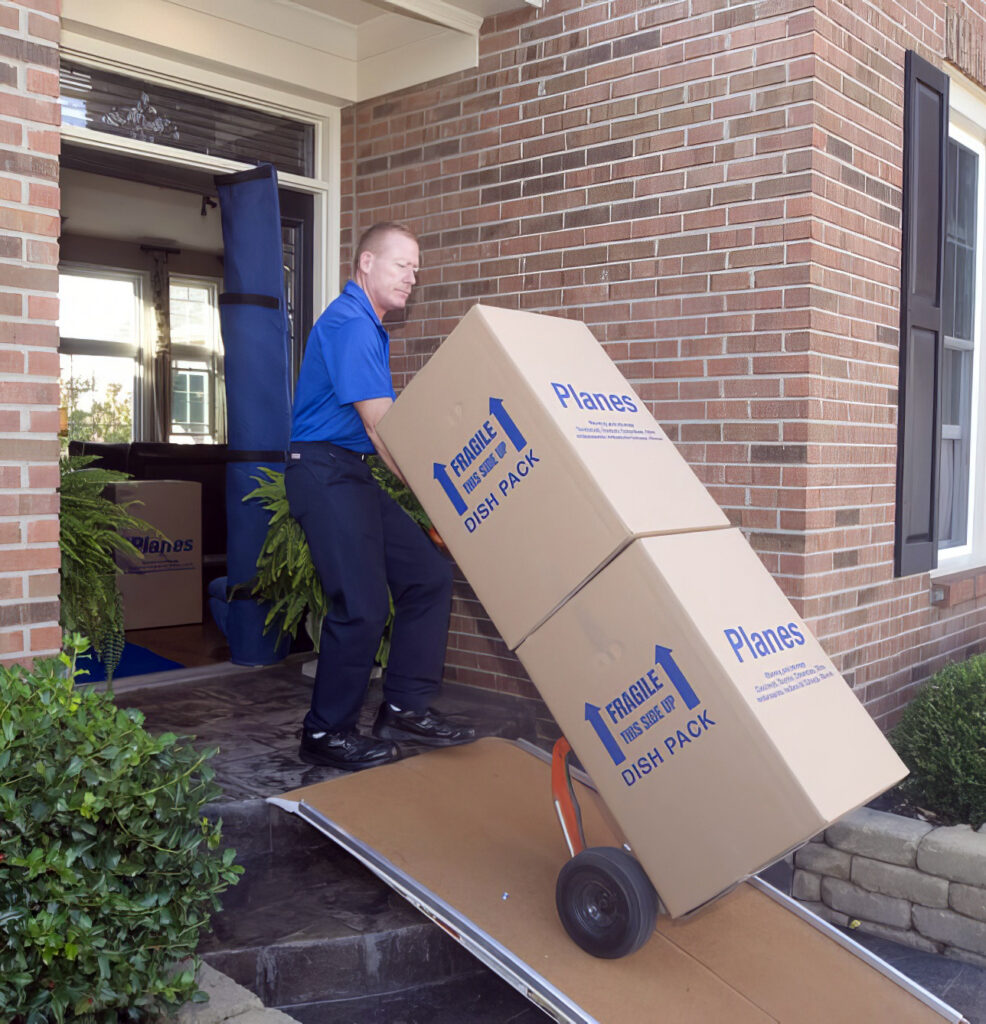
Local knowledge can be particularly helpful when moving into Cincinnati’s older neighborhoods.
Some historic properties have narrow streets, steep driveways, small entrances, or limited space for moving trucks. Downtown buildings may also have loading docks, designated delivery entrances, or specific moving hours.
Planes Moving & Storage has served the Cincinnati region since 1921, providing local and long-distance moving assistance for homeowners, families, and businesses.
If you’re preparing for a relocation, working with professional Cincinnati movers can help you coordinate the transportation and handling of your belongings.
4. Understand Parking and Building Access Requirements
Before moving into a downtown apartment, condominium, or historic home, confirm where the moving truck can legally park.
Some buildings require elevator reservations or restrict moving activities to certain hours. Others may have designated loading areas or limited access for larger vehicles.
Cincinnati also allows property owners and other applicants to request temporary parking restrictions for certain loading and unloading situations. Such requests may require prior authorization and must follow city procedures.
Review the city’s temporary parking and right-of-way guidance before assuming that parking spaces can be reserved.
If you’re moving into a multi-story apartment building, hiring experienced Cincinnati apartment movers can also help with logistics involving stairs, elevators, and shared entrances.
5. Organize Your Packing Before Moving Day
Packing usually takes longer than expected. Start with items you rarely use, such as seasonal decorations, extra linens, books, and clothing you won’t need before moving day.
Label each box with its destination room and a brief description of the contents. Keep important documents, medications, chargers, and daily essentials in a separate bag that travels with you.
Fragile belongings such as artwork, electronics, glassware, and antiques may require additional protection.
If you’d rather leave the process to experienced professionals, Planes offers professional packing services, including full-home packing, partial packing, and specialty-item preparation.
6. Consider Temporary Storage During Your Relocation
Sometimes moving dates don’t line up perfectly.
You may need to leave your current residence before your new home is available. Renovations might take longer than expected, or your new property may not have enough room for everything you’re bringing. In these situations, temporary storage can provide additional flexibility.
Planes offers short-term and long-term residential storage for household belongings, furniture, and other items that need to remain in storage during a relocation.
Planning storage arrangements before moving day can help prevent unnecessary handling and last-minute changes.
7. Prepare Your New Home Before the Moving Truck Arrives
Whenever possible, visit your new property before the scheduled delivery.
Confirm that utilities are active, entrances are accessible, and any necessary parking arrangements have been made.
Measure doorways, staircases, and large furniture pieces to identify potential challenges before unloading begins.
It’s also helpful to clean the property, establish a clear path for carrying furniture, and decide which rooms should receive your belongings first.
These small preparations can make moving day more organized and help you settle in faster.

Make Your Move to Cincinnati Easier With Planes Moving & Storage
Moving to Cincinnati is an exciting opportunity to explore a new city, meet new people, and settle into a community that fits your lifestyle. With the right planning, you can spend less time worrying about moving logistics and more time getting comfortable in your new home.
Founded in Cincinnati in 1921, Planes Moving & Storage has more than a century of experience helping individuals and families relocate. Our team offers residential moving, professional packing, and flexible storage solutions for local and long-distance moves.
Ready to start planning? Contact our Cincinnati moving team today by phone at (513) 759-7397 to request a free moving quote.
Related Posts

Global Retail: Opening Stores in Foreign Countries
U.S.-based retailers have long realized that relying on domestic growth will not yield shareholder return to the level that meets the street’s
Read More

4 Tips to Make Moving Day Stress-Free
Moving. It’s something nearly all companies go through. Company growth and changes often result in the need for larger spaces, upgrades, or maybe
Read More

How Planes Move Management™ Can Make Your Corporate Move a Breeze
It’s well known that one of life’s most stressful events is moving. The many aspects of moving your family to a new home – how to prepare, how
Read More